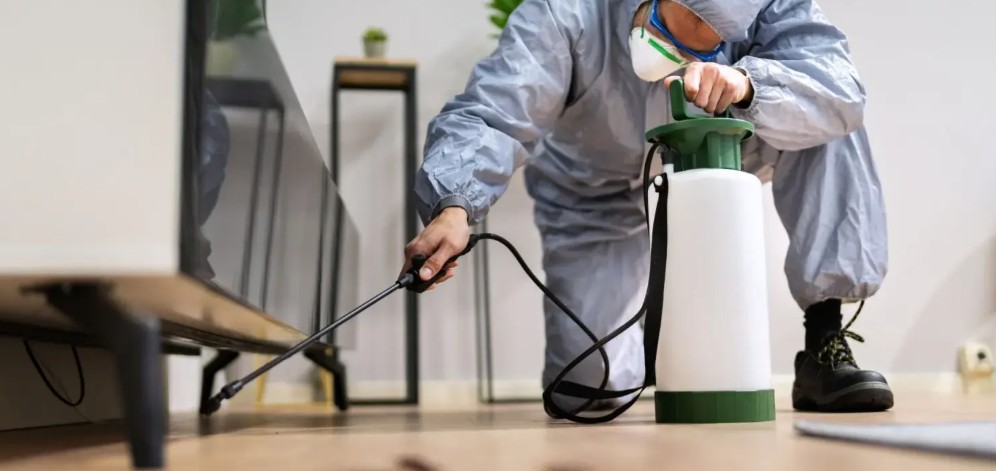

Businesses that handle commercial cleaning supplies are experiencing changes in procurement and safety control due to increased liability rules. Australia’s industrial manslaughter laws impose severe criminal penalties on companies and executives who willfully cause a fatality at work.
Knowing the Legal Environment
Queensland became the first state to enact laws prohibiting workplace manslaughter in 2017. In October 2024, Tasmania became the last state to pass these legislation. This established a national framework that makes employers legally liable for fatalities at work brought on by egregious negligence.
Officers of Persons Conducting a Business or Undertaking (PCBUs) are the focus of the statute. This covers senior executives and directors of the company. Anyone with significant influence over business operations faces serious exposure.
The standard for excessive negligence is higher than for basic carelessness. Courts take into account negligent disregard for known risks. Failures of safety systems are also examined. Victoria recorded the nation’s first industrial manslaughter conviction in February 2024. Following the death of a 25-year-old subcontractor in a forklift accident, a stonemasonry business was fined $1.3 million. The Victorian Supreme Court raised the punishment to $3 million following an appeal.
The Hidden Risks in Cleaning Operations
In every Australian office, commercial cleaning supplies are kept in cabinets. They are regarded by many as everyday items that pose no risk. This view is dangerously untrue.
Toxic chlorine compounds and corrosive acids are present in professional-grade cleaning products. If the skin or eyes are exposed to these toxins, damage could happen very fast. Chemical burns and respiratory problems are among the long-term exposure dangers.
Household and commercial products are very different from one other. One to two percent active chemicals may be present in a household bathroom cleanser. Ten to fifteen percent concentration could be found in the same substance at commercial strength. Strict handling procedures and dilution are necessary for this.
Data from the industry shows troubling trends. Every year, about 8% of significant workplace compensation claims are due to chemical-related events. Cleaning operations in the hospitality and healthcare industries are involved in many of these accidents.
Critical Risk Scenarios
Several scenarios can trigger industrial manslaughter liability:
- Employees not properly trained to handle dangerous chemicals
- Safety Data Sheets that are out-of-date or missing and hinder making educated decisions
- Inadequate storage that causes leaks or chemical reactions
- Failure to provide personal protective equipment
- Unlabelled containers creating confusion and potential misuse
- Mixing incompatible chemicals that produce toxic gases
- Inadequate ventilation allowing hazardous concentration build-up
A recorded incidence serves as an example of these dangers. In a commercial kitchen sink, an employee left an unmarked container of industrial cleaning. It was mistaken by another employee for vanilla syrup. Three customers suffered throat burns after consuming contaminated food. Under current industrial manslaughter laws, such an incident resulting in death would trigger criminal investigation of the business and its officers.
Compliance Through Safety Systems
The framework for handling chemical dangers at work is provided by the Globally Harmonised System of Classification and Labelling of Chemicals (GHS). GHS 7 criteria were recently implemented by Australia. All hazardous compounds must have particular labeling and documentation.
A current Australian Safety Data Sheet is required for all commercial cleaning products. These documents describe safe handling practices and chemical composition. Additionally, they describe emergency response procedures and first aid techniques. These records must be kept in easily accessible locations by businesses.
The chemical register requirement seems straightforward but frequently presents compliance challenges. Every hazardous substance used at a workplace must be listed by its product name. The corresponding SDS must be attached. This register must be accessible to any worker who uses these chemicals.
Essential Implementation Steps
- Risk assessment to identify all hazardous chemicals and exposure pathways
- Comprehensive training covering product-specific hazards and controls
- Appropriate personal protective equipment matching each chemical’s specific risks
- Storage systems that segregate chemicals by hazard class in secure areas
- Emergency response procedures including spill containment
- Regular inspections and audits verifying system effectiveness
Documentation requirements extend beyond the chemical register. Complete SDS files must be maintained and regularly updated. Training records must demonstrate worker competency. Equipment maintenance logs track system integrity. Incident investigation records identify emerging patterns.
Industry resources can assist compliance efforts. Complete Wholesale Suppliers now provides enhanced guidance on designing affordable cleaning supplies kits that meet workplace hygiene standards. This reflects broader industry recognition that commercial cleaning supplies require rigorous safety approaches.
These systems must be living frameworks. They cannot be documents created to satisfy auditors and then forgotten.
Director Duties Cannot Be Delegated
Company directors face particular exposure under industrial manslaughter laws. Courts can establish corporate gross negligence through inadequate management of workplace activities. Directors who fail to implement proper oversight systems can face personal criminal liability.
The “I didn’t know” defence offers no protection. Directors have positive legal obligations to exercise due diligence. This means actively verifying that appropriate safety systems exist and function effectively.
Industrial manslaughter prosecutions have no limitation period. A workplace death can be prosecuted years after it occurs. This makes historical safety failures ongoing legal risks.
Insurance provides limited protection. Most Australian jurisdictions now prohibit insurance coverage for work health and safety fines. Directors may access coverage for legal defence costs. However, the fines themselves cannot be insured away.
The evidence is clear: robust safety systems represent the only genuine protection.
Taking Action Now
Companies who use commercial cleaning products should put compliance measures in place right away. Over the course of 30 days, a methodical approach can lay crucial foundations.
- Week One: Assessment Phase Audit all cleaning products currently in use. Verify that current Australian Safety Data Sheets exist for each product. Identify training gaps among workers who handle these substances.
- Week Two: Documentation Phase Establish or update chemical register. Organise SDS filing system for easy access. Review emergency response procedures. Ensure emergency contact information is prominently displayed.
- Week Three: Training Phase Schedule mandatory chemical safety training for all relevant workers. Conduct toolbox talks addressing high-risk products. Update written safety procedures to reflect current practices.
- Week Four: Systems Implementation Upgrade storage arrangements to meet segregation requirements. Verify appropriate personal protective equipment availability. Conduct mock emergency drills to test response procedures.
Ongoing maintenance sustains compliance. Monthly safety inspections identify emerging issues. Quarterly management reviews assess system effectiveness. Annual independent audits provide external verification.
A Fundamental Shift
These regulations generate opportunities as well as obligations for companies that use cleaning chemicals. It is obvious that strong safety measures that shield employees from chemical risks must be put in place. Building truly safer workplaces with effective chemical risk management is the potential.
Resources exist to support this transition. Safe Work Australia provides extensive guidance materials and codes of practice. State regulators offer industry-specific advice. Industry suppliers like Complete Wholesale Suppliers increasingly recognise their role in supporting workplace safety through better product information.
Industrial manslaughter laws shouldn’t be viewed solely as threat. They serve as catalyst for cultural change Australian workplaces require. When businesses genuinely prioritise worker safety, everyone benefits. Workers go home healthy. Businesses avoid catastrophic legal damage. Communities maintain trust in their employers.
Every commercial cleaning product in your workplace represents both utility and hazard. Managing that hazard responsibly isn’t just legal compliance. It’s fundamental human decency.